
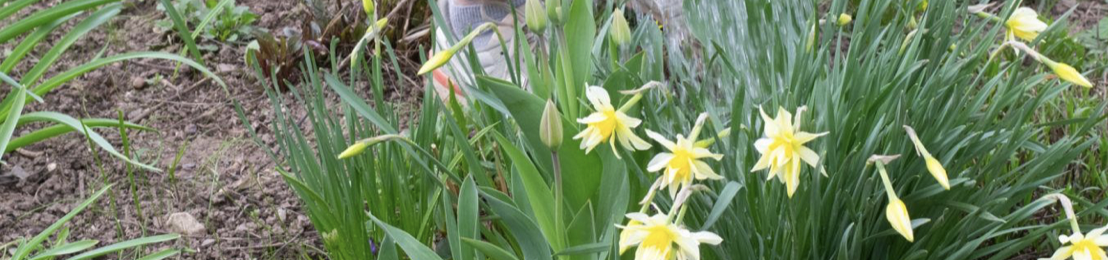
Daffodils are one of the most uplifting signs that spring has arrived. Their bright yellow blooms bring life back into gardens after the long winter months, and the good news is—they’re wonderfully easy to care for. Whether you’re a seasoned gardener or just looking to keep your outdoor space looking its best for tenants or viewings, a little attention goes a long way.
The secret to great daffodils actually starts months before they bloom. Bulbs should be planted in autumn, ideally between September and November, in well-drained soil and a sunny or lightly shaded spot. Plant them roughly twice as deep as the bulb’s height, with the pointed end facing upwards. This gives them the best chance to establish strong roots before winter sets in.
Once spring arrives and the shoots begin to appear, daffodils require very little maintenance. Water them during particularly dry spells, but be careful not to overdo it—these plants don’t like sitting in soggy soil. If you’re managing a rental property garden, this is an easy win: low effort, high visual impact.
After flowering, it’s important not to cut the leaves back too soon. While it may look untidy, those green leaves are feeding the bulb for next year’s display. Wait until they turn yellow and die back naturally before removing them. However, you can “deadhead” spent flowers to keep the garden looking neat and prevent the plant wasting energy on seed production.
Every few years, if your daffodils become overcrowded or the blooms start to diminish, lift and divide the bulbs after the foliage has died back. This helps rejuvenate the display and allows you to spread colour to other areas of the garden.
For landlords and homeowners alike, daffodils are a simple, cost-effective way to enhance kerb appeal. A well-presented garden can make a powerful first impression—something we always emphasise at Littlefairs. Sometimes, it’s the smallest touches that make the biggest difference.
