
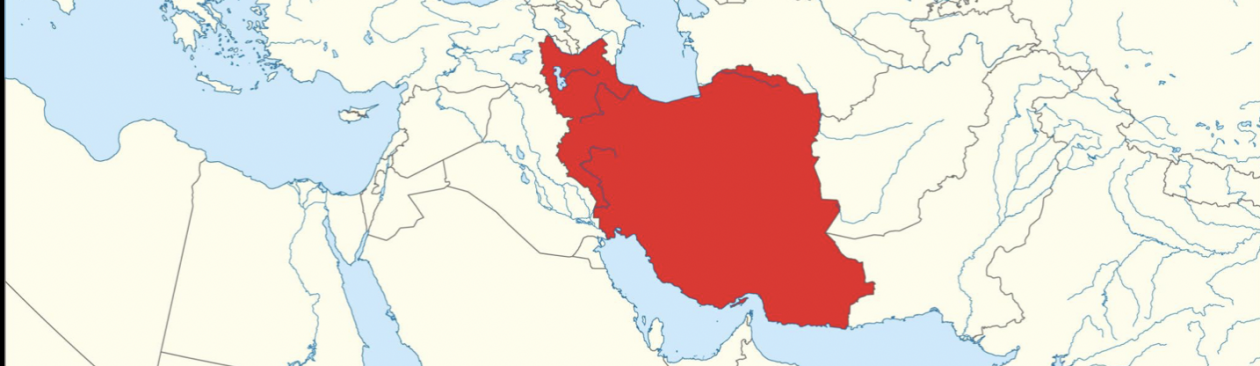
Global events can often feel distant, but history shows that conflict in the Middle East can quickly ripple through the UK economy. The latest escalation involving Iran has already begun to affect global energy markets, financial confidence and economic forecasts — all of which could influence the property and rental sectors in the months ahead.
One of the biggest concerns is energy. Around 20% of the world’s oil passes through the Strait of Hormuz, a narrow shipping route near Iran. Disruption to this route has already pushed oil and gas prices higher and raised fears of supply interruptions.
For the UK, higher energy prices can quickly feed into inflation, transport costs and household bills, putting pressure on both consumers and businesses.
The UK’s official economic watchdog has already revised expectations. Growth forecasts for 2026 have been reduced to around 1.1%, reflecting concerns about global instability and rising energy costs.
If energy prices remain elevated, analysts warn inflation could rise again, potentially forcing interest rates to remain higher for longer.
For landlords and the housing market, the implications are mixed.
On the one hand, higher borrowing costs can make property investment more challenging. Mortgage rates may remain elevated if inflation persists. On the other hand, economic uncertainty often increases demand for rental accommodation as fewer people are able or willing to buy homes.
In cities like York, where rental demand already outstrips supply, this could mean continued pressure on rents and sustained demand for well-managed homes.
The key takeaway is that geopolitics still matters to the UK economy. While it is too early to predict the long-term consequences of the Iran conflict, energy prices, inflation and interest rates will be the indicators to watch over the coming months.
For landlords, maintaining well-maintained, energy-efficient properties and keeping finances resilient remains the best strategy in uncertain times.
